




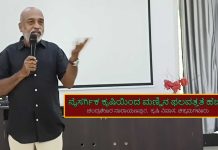

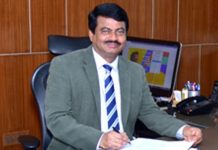

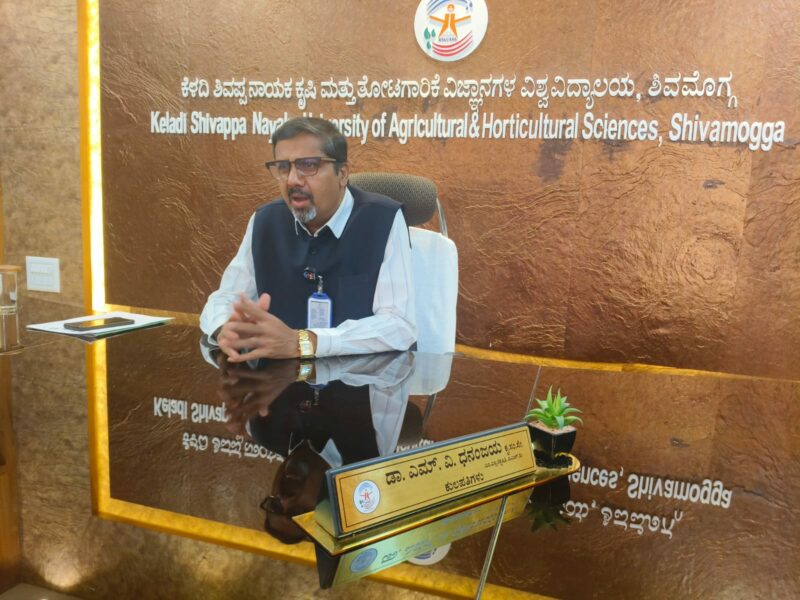
A Special Interview with Dr. M. V. Dhananjaya, Vice-Chancellor of Keladi Shivappa Nayaka University of Agricultural and Horticultural Sciences, Shivamogga, on the University’s Vision and the Objectives of Krishi Mela 2026
Agriculture India Representative: Namaste. The theme of this year’s Krishi Mela is “Innovative Agriculture for Drought Management.” What is the primary objective behind this theme?
Dr. M. V. Dhananjaya, Vice-Chancellor: The primary objective of this year’s Krishi Mela is to bridge the gap between agricultural research and its practical application in the field. Technologies and innovations developed by research centres and universities do not always reach farmers to the extent they should. Krishi Mela provides a major platform for disseminating research findings and innovative technologies developed by the Indian Council of Agricultural Research (ICAR) and various agricultural universities across the country.
This year, the severe drought has caused considerable hardship to both farmers and livestock. Recognising the urgency of the situation, the University has been cultivating fodder crops over the past month on approximately 250–300 acres of land across its various centres. The fodder is expected to be ready by the end of November. In coordination with government schemes and the Department of Animal Husbandry and Veterinary Services, arrangements will be made to make this fodder available to farmers.
Agriculture India Representative: What are the special crop varieties and technologies being introduced at this year’s Krishi Mela?
Dr. M. V. Dhananjay̧a, Vice-Chancellor: Three new rice varieties and one new chickpea variety are being released on this occasion. We are also launching a dedicated mobile application called Sahyadri Krishi AI, powered by artificial intelligence (AI), to provide farmers with comprehensive information on weather forecasts and crop management. The application will help farmers identify suitable crop varieties and access information on crop duration, expected yields, diseases and their management.
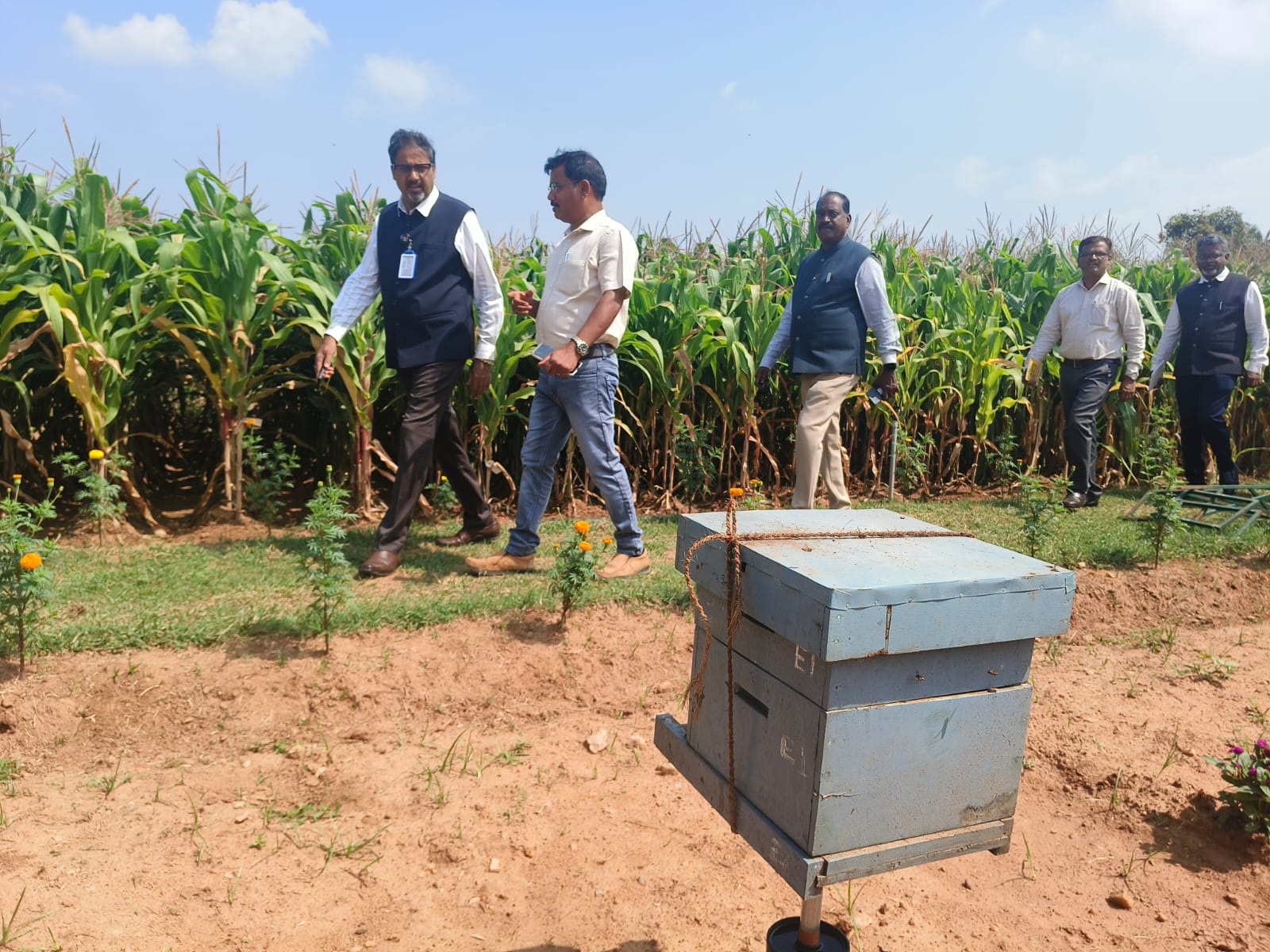
Demonstrations will also be conducted on precision farming, a modern agricultural approach that enables farmers to apply water and fertilisers in precisely the quantities required by their crops, avoiding excessive use. This helps reduce unnecessary expenditure while protecting soil health and improving resource-use efficiency.
Agriculture India Representative: What kinds of exhibition stalls and displays have been arranged for this year’s Krishi Mela?
Dr. M. V. Dhananjay̧a, Vice-Chancellor: More than 600 stalls will be set up at the Mela. Five special pavilions have been organised around key agricultural themes, including arecanut cultivation, rice cultivation and drought management. The exhibition will also feature more than 50 stalls showcasing seeds and planting materials, along with over 16 stalls displaying agricultural machinery and equipment.
For the first time, 17 ICAR institutions are participating in the Mela with their own exhibition stalls. These include the ICAR–Indian Institute of Spices Research (IISR), Kozhikode, Kerala, and the ICAR–Central Plantation Crops Research Institute (CPCRI), Kasaragod, among others.
In addition, 80 free stalls have been provided for departments of the State Government and the University. More than 40 stalls have also been reserved for self-help groups (SHGs), Farmer Producer Organisations (FPOs) and enterprises operating under the National Rural Livelihoods Mission (NRLM).
Agriculture India Representative: What continuing support and facilities does the University provide to farmers and agricultural graduates?
Dr. M. V. Dhananjay̧a, Vice-Chancellor: The University is establishing a system called Sahyadri Krishi Vana across all its 14 centres. Under this initiative, farmers will be able to access seedlings, seeds, agricultural equipment and technical guidance under one roof.
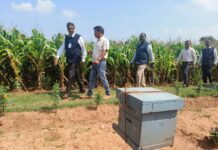
Through Sahyadri Krishi One (Entrepreneurship), we have established a training and incubation centre at Bavikere in Tarikere taluk for agricultural graduates and unemployed youth. The centre covers eight to nine areas of enterprise development, including vegetable seed production, mushroom cultivation, compost production and beekeeping.
We are also promoting entrepreneurship through specialised processing and value-addition facilities. These include spice processing and value addition at Mudigere, groundnut and millet processing at Hiriyur, and fruit and ginger processing units at Shivamogga and Mudigere. These initiatives are designed to equip young people with the skills required to establish and operate agricultural enterprises.
In collaboration with the Karnataka State Agricultural Produce Processing and Export Corporation (KAPPEC), advanced processing units have been established with investments running into crores of rupees under three One District One Product (ODOP) initiatives. These units focus on pineapple and ginger at Shivamogga, spices at Mudigere, and groundnut and millets at Hiriyur. The objective is to promote value addition, strengthen local agricultural industries and create entrepreneurship opportunities.
Agriculture India Representative: Could you provide details of the seeds and planting materials produced annually by the University?
Dr. M. V. Dhananjay̧a, Vice-Chancellor: To meet the needs of farmers across Karnataka, the University produces and markets approximately 5,700 quintals of quality seeds annually, including rice and pulses. This production is carried out through its centres at Kathalagere, Bavikere, Brahmavar and Hiriyur.
The University also produces more than 1.2 million seedlings and saplings every year. These include planting materials for black pepper, arecanut and various fruit crops, as well as ornamental plants. Through these initiatives, we aim to ensure that farmers have access to quality seeds and planting materials suited to their agricultural needs.
Agriculture India Representative: What arrangements have been made for food and other facilities for farmers visiting the Krishi Mela?
Dr. M. V. Dhananjay̧a, Vice-Chancellor: Lunch arrangements have been made for farmers visiting the Krishi Mela. The actual cost of preparing one meal is ₹60. The University subsidises ₹10 per meal, enabling farmers to obtain lunch for just ₹50. We are also considering ways to further improve this facility. The Mela will feature experiential learning units covering nine major areas, including fisheries, biofertilisers, beekeeping and mushroom cultivation. These units will provide visitors with opportunities to gain practical knowledge of different agricultural activities and technologies.
Farmers should make the best use of these facilities and adopt modern technologies and value-addition practices to improve the profitability of agriculture. The University is committed to providing the technologies, information and technical guidance necessary to help them achieve this objective.


